DTE Energy Mobile App Development
A decade of mobile utility innovation
Detroit Labs partnered with DTE Energy, Michigan's largest utility, across more than a decade of mobile product development. This case study captures two major initiatives and the steady work delivered in between: platform updates, feature expansions, and customer-driven improvements. Together, these efforts helped more than 2.2 million customers report outages, track restorations, manage energy usage, and pay bills in real time. The industry is utilities. The challenges are familiar ones: scaling a product over time, navigating major rebuilds, and maintaining quality through years of change. They show up in every sector.
DTE Energy serves about 2.2 million electricity and 1.3 million natural gas customers across Michigan. When they first came to Detroit Labs, the goal was focused: build a mobile app that could take pressure off the call center and give customers a real self-service option during outages. What followed was a decade of partnership. Two major platform builds. Continuous iteration in between. And a working relationship that grew as the product did.
The Challenge
The challenges evolved over time. Early on, DTE needed a faster way to handle outages and relieve overwhelmed call centers. As the app grew, new problems emerged: billing workflows, usage transparency, and the demands of a platform serving millions of customers.
Customers had no self-service tools during outages. Reporting a problem meant calling in, waiting, and not knowing what came next. On DTE's side, the need was for real-time visibility and better tools to communicate clearly and respond faster.
A decade of work is also a decade of change. Platforms evolved. Requirements shifted. Priorities moved. The technical problems were manageable. Staying aligned through all of it is what a long partnership actually tests.
The Vision
DTE's ambition grew alongside the app. What started as a focused outage tool became a broader question: what if customers could manage their entire relationship with DTE from their phone?
That shift drove every decision that followed. More features, yes. But also a foundation that could carry the product forward. Native apps for both platforms. A shared component library for consistency. And a team embedded in the work rather than handing off deliverables.
The Process
Phase 1: Building the Foundation
When we launched the outage app in 2011, it was one of the first native smartphone apps from a U.S. utility. The focus was on what customers needed most during an outage: a fast way to report it, clear status updates, and just enough to get through the dark. We even built in a flashlight feature, which felt modest at the time and mattered more than expected.
We built fully native apps for iOS and Android, following each platform's design guidelines to deliver an experience that felt natural to customers from day one.
Phase 2: Continuous Expansion
Over the years, we expanded the app into a broader service platform: billing, energy usage insights, account management, and streamlined payment flows. Each addition came from customer feedback and was built to work consistently across both platforms. We stayed close to DTE's teams through this period, embedded in their sprints, monitoring performance, and iterating continuously.
Phase 3: Full Redesign in 2023
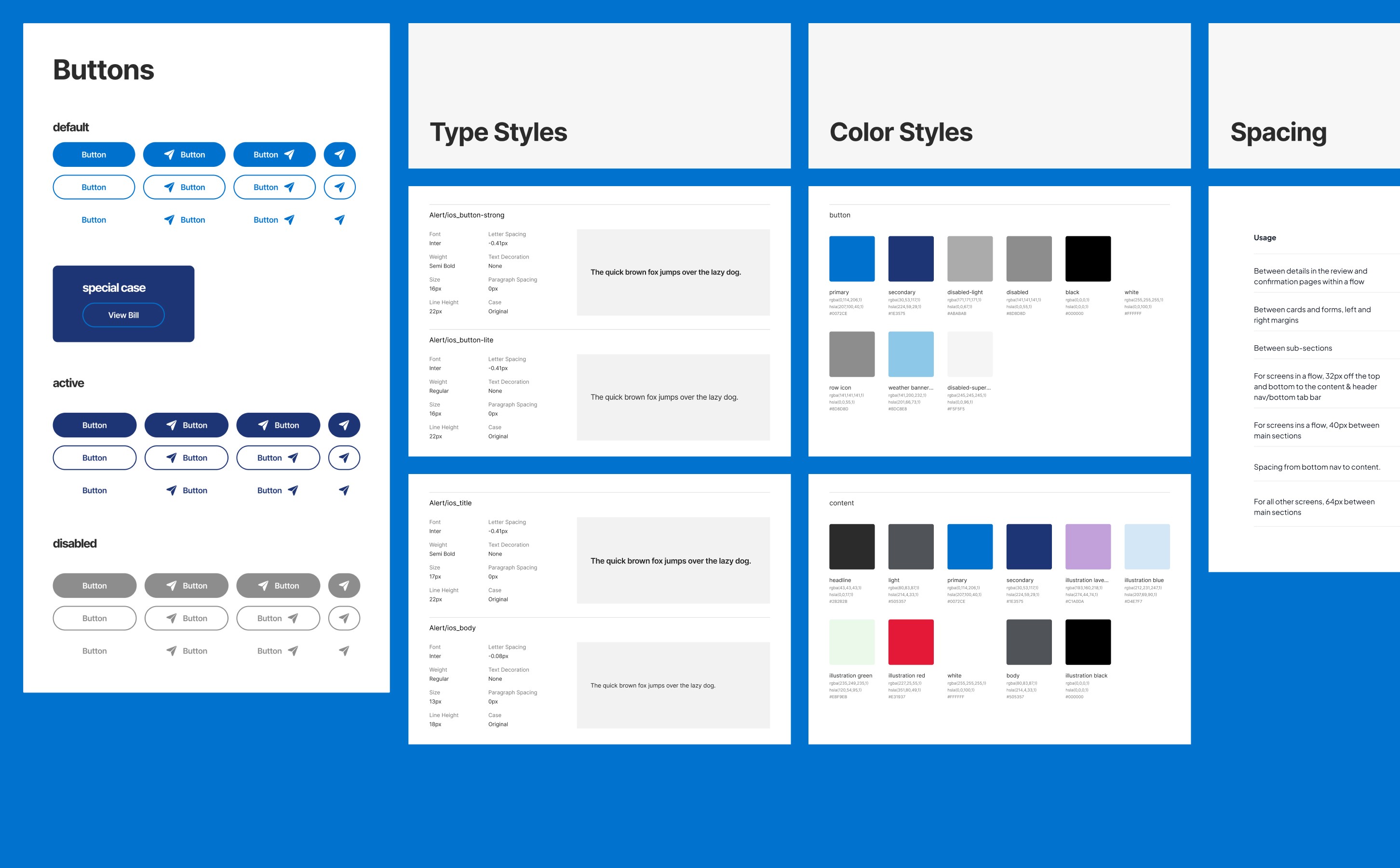
In 2023, we led a complete overhaul of the app. A decade of building it gave us a clear picture of what needed to change. We modernized the architecture, refreshed the design system, and unified the experience under DTE's brand language. The result was smoother workflows, better accessibility, and stronger performance. And a foundation ready for whatever comes next.
The Solution
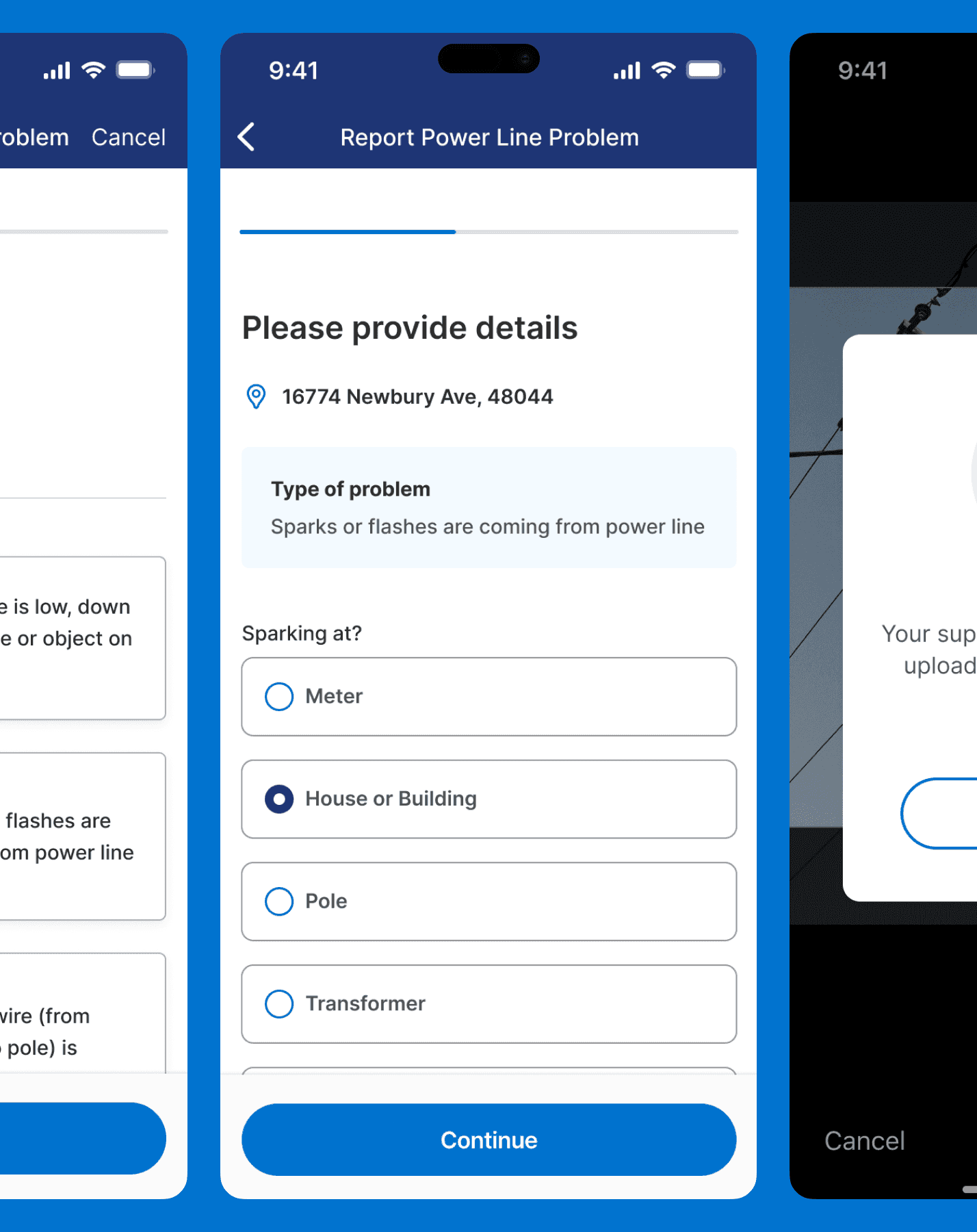
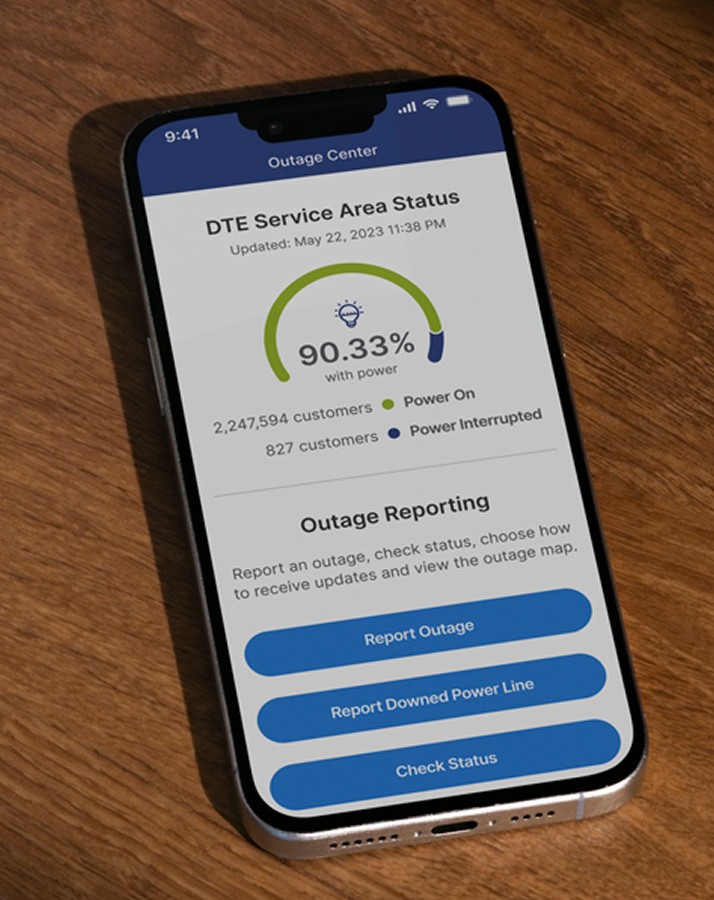
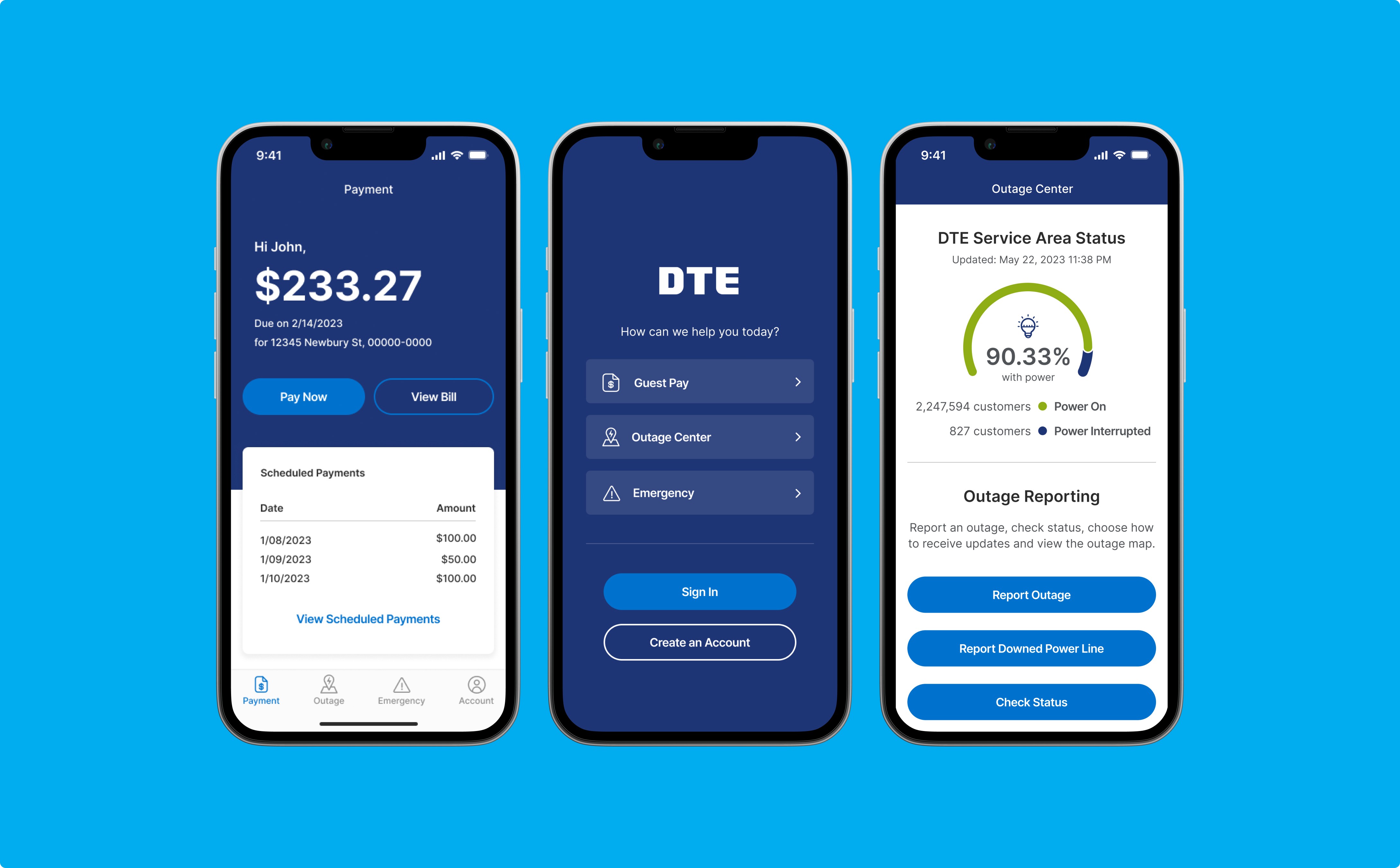
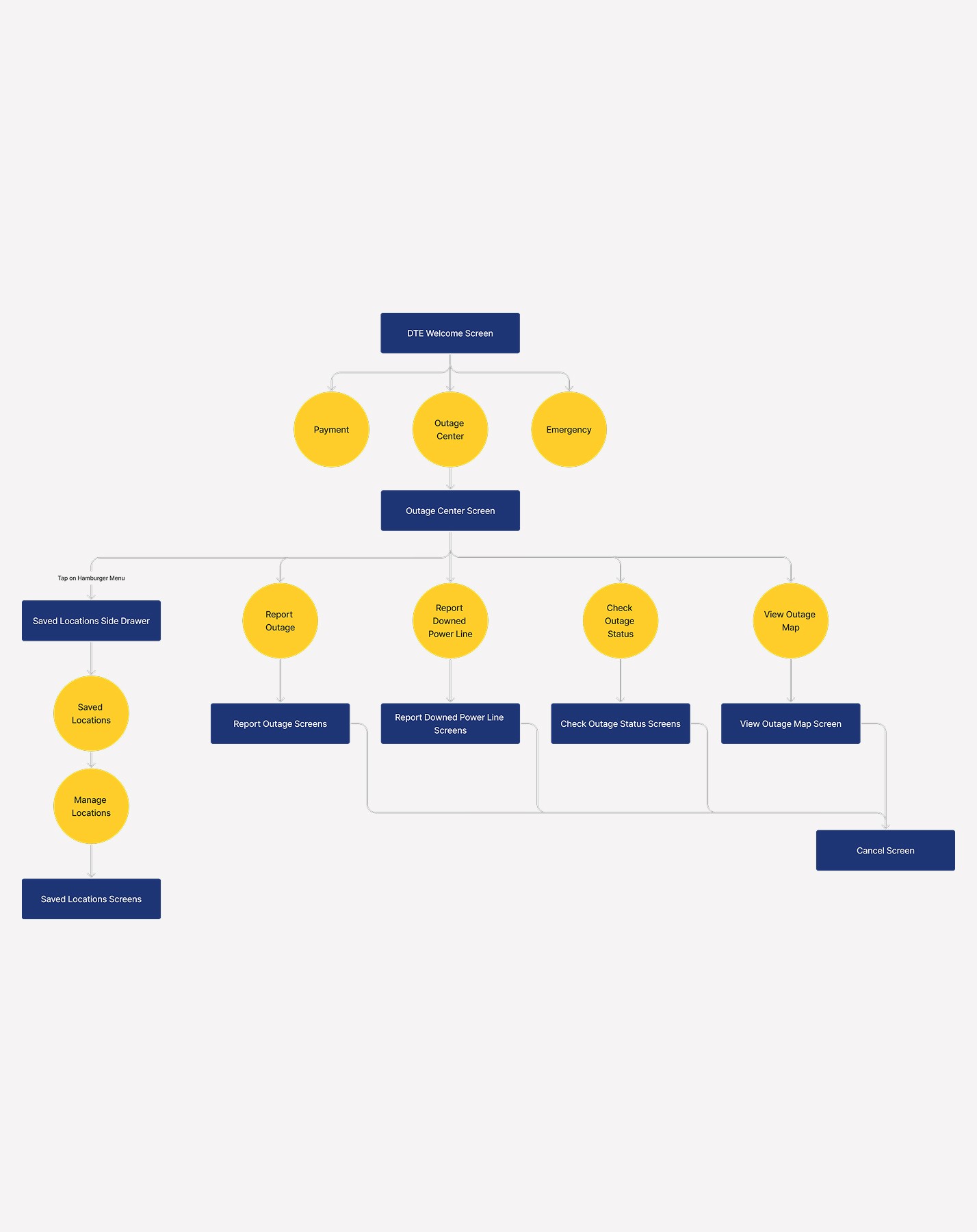
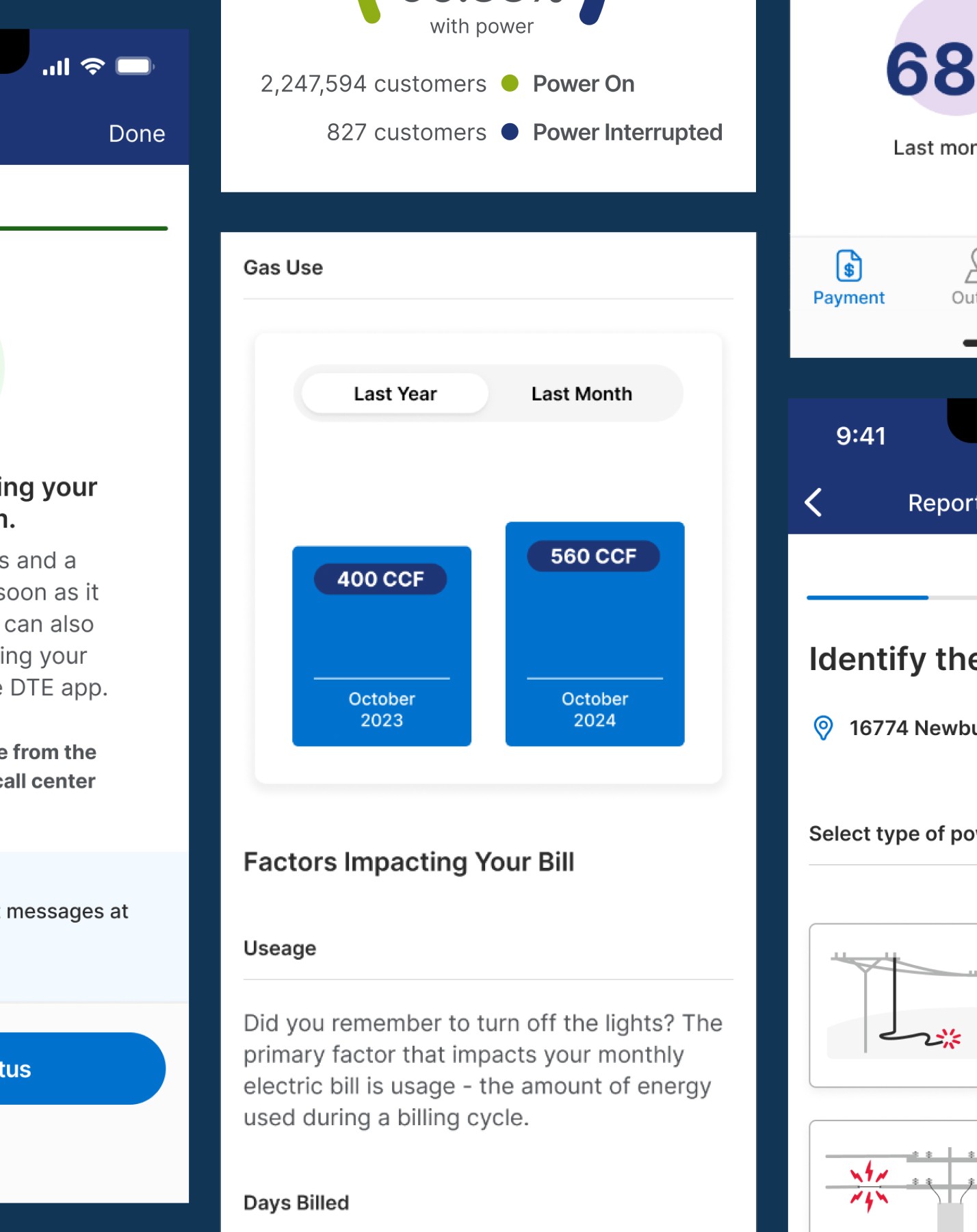
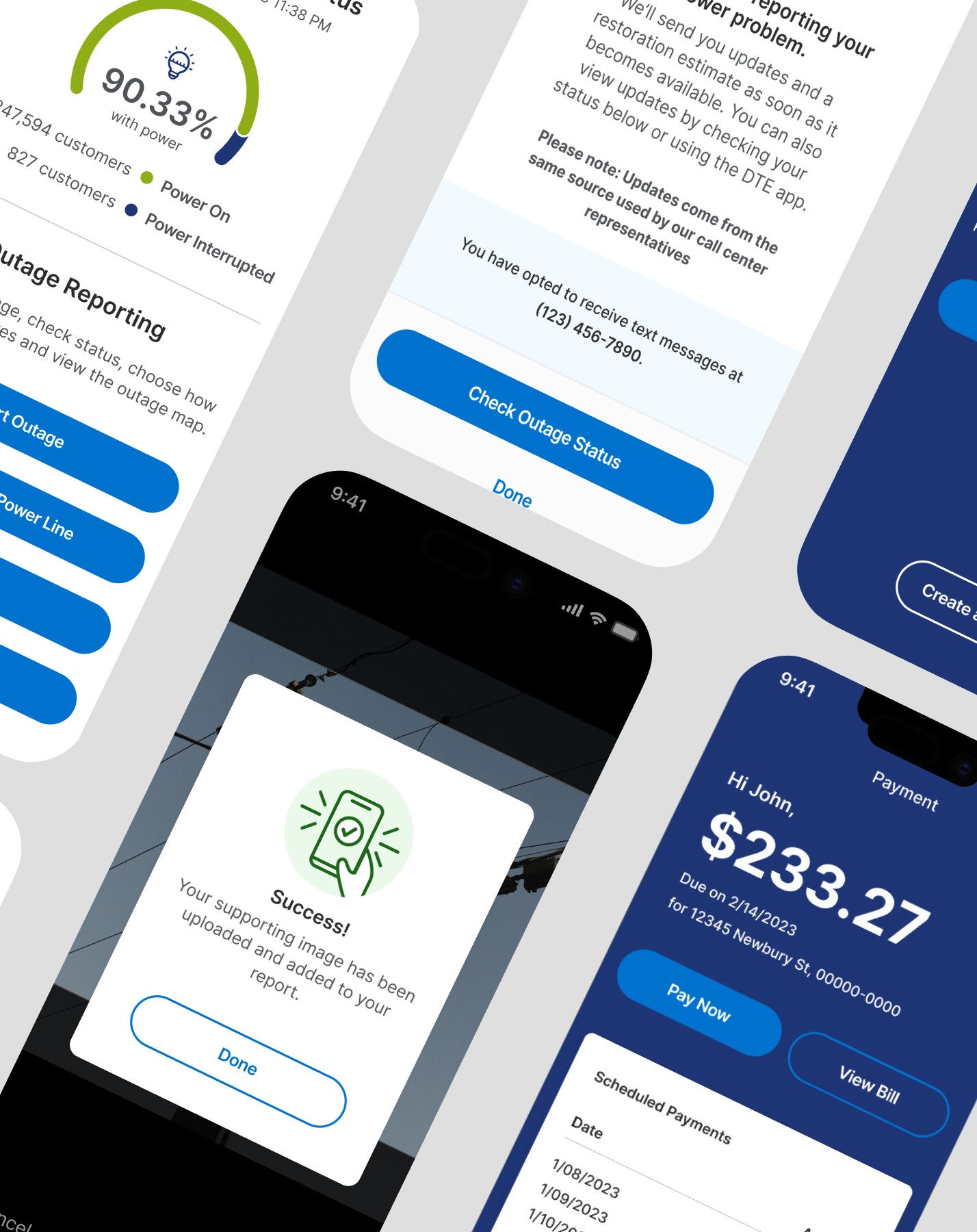
The app gives customers a direct way to report outages, locate issues on a live map, and get real-time restoration updates via push alerts. Interactive charts let them track energy usage by day, month, or year. A secure payment system handles one-time and recurring bills. A shared component library keeps the experience consistent across iOS and Android and speeds up the release of new features.
The results are concrete. Over 1 million downloads. More than 30,000 ratings averaging 4 stars on Google Play. Call center volume dropped as customers started handling outage reporting themselves. Resolution times shortened as real-time updates kept people informed. The shared component system made it faster to ship new features and easier to maintain the platform over time. Detroit Labs continues to work with DTE today, supporting ongoing development across the app.